The Spanish Steps
135 steps of 18th-century theater connecting Piazza di Spagna to Trinità dei Monti: Rome's grandest place to arrive.
The Barcaccia • 135 Steps • Trinità dei Monti
Explore → Get Early AccessYour Perfect Roman Experience
🧭 Why Visit
The most famous staircase in the world, 135 travertine steps rising in a slow curve from Piazza di Spagna to the church of Trinità dei Monti. Bernini's boat fountain sits at the bottom and Keats's last window looks on from the corner. Come at sunrise, when the stone is empty and gold, or stay for the evening, when the whole square gathers to watch the light go.
🏛️ A Little History
The steps were built between 1723 and 1725 to a design by Francesco de Sanctis, paid for with money a French diplomat had left decades earlier. They solved an old problem, how to link the French church on the hill to the Spanish square below, and turned a muddy slope into the grandest outdoor staircase in Rome. The Barcaccia at the foot came a century before, from Pietro Bernini, father of Gian Lorenzo.
💡 Did You Know?
John Keats died in 1821, aged 25, in the pink house at the foot of the steps, now the Keats-Shelley museum. Since 2019 sitting on the steps has been forbidden and the rule is enforced, ending three centuries of people using them as the city's front stoop. You can still climb them and photograph them, you simply cannot sit.
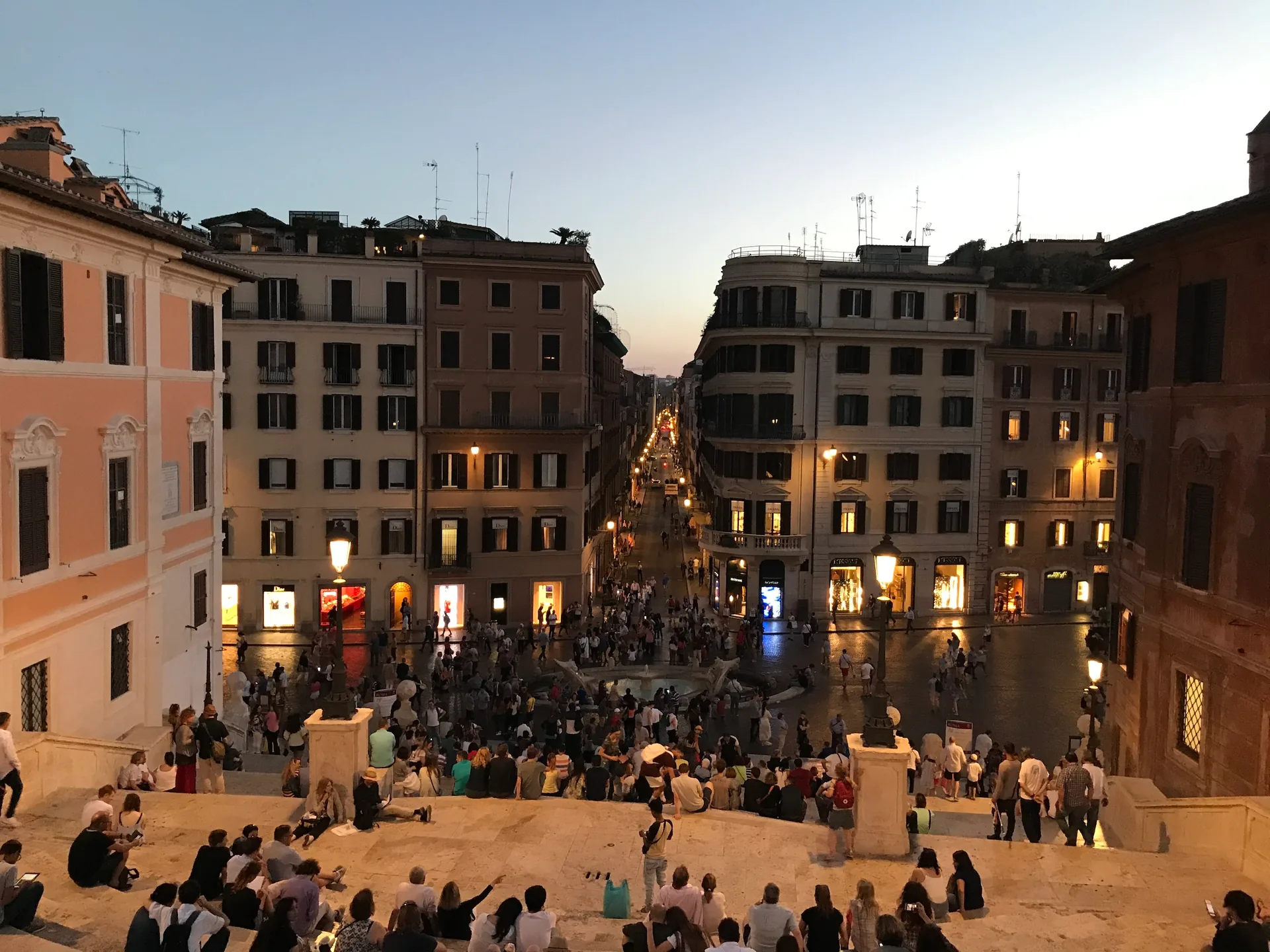
Piazza di Spagna
Where Rome's grandest staircase begins, at Bernini's boat fountain in the square below.
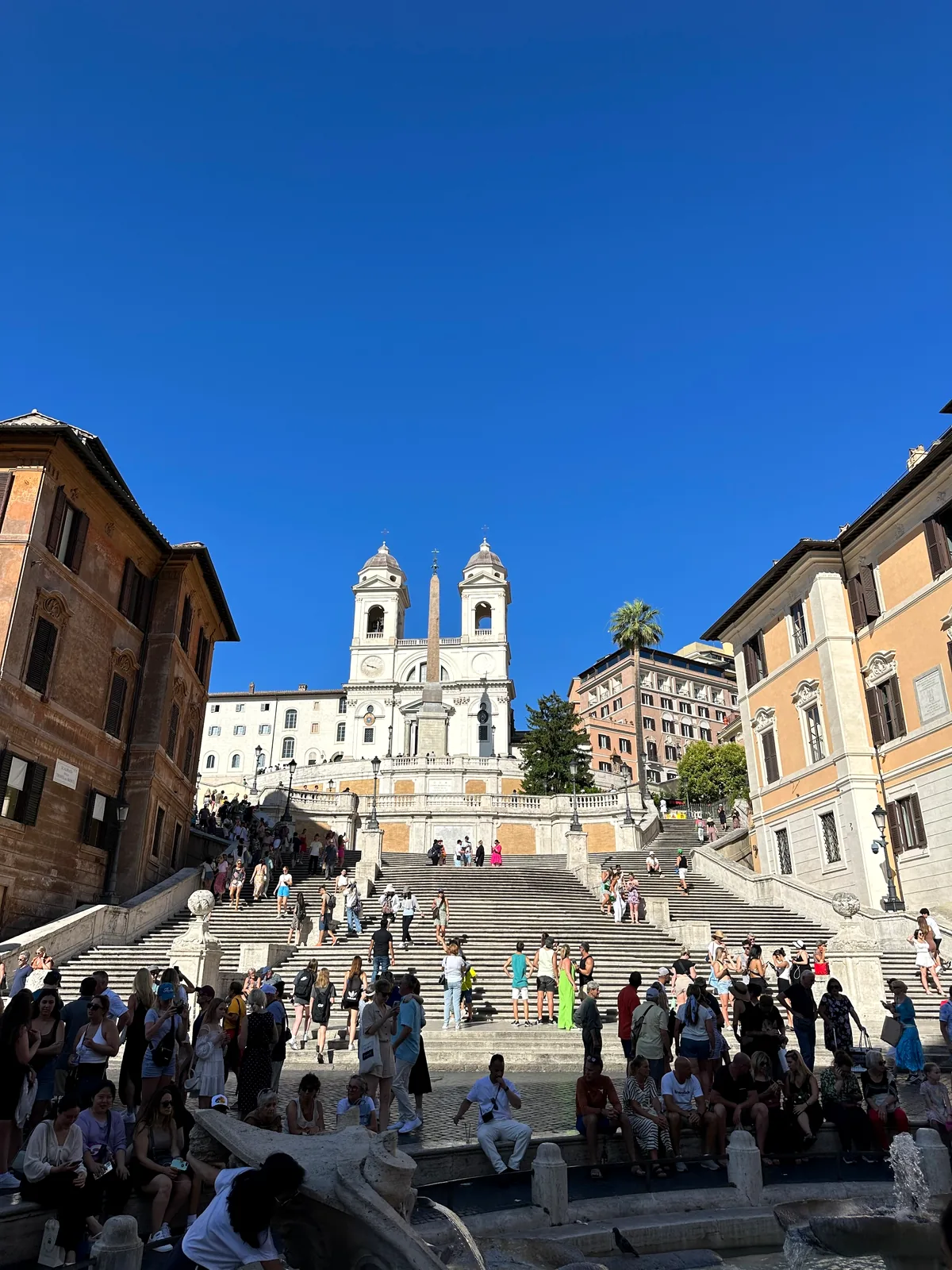
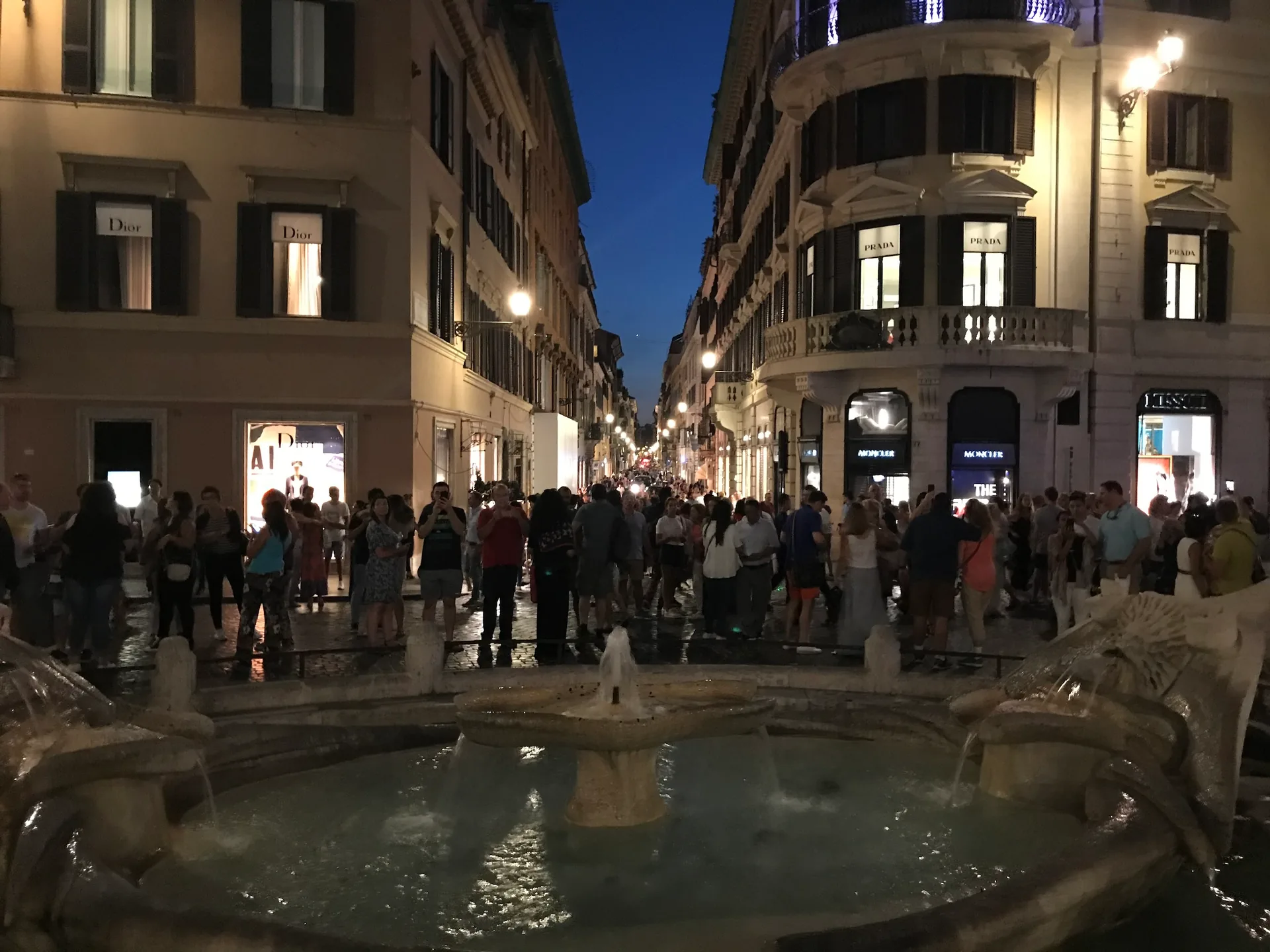
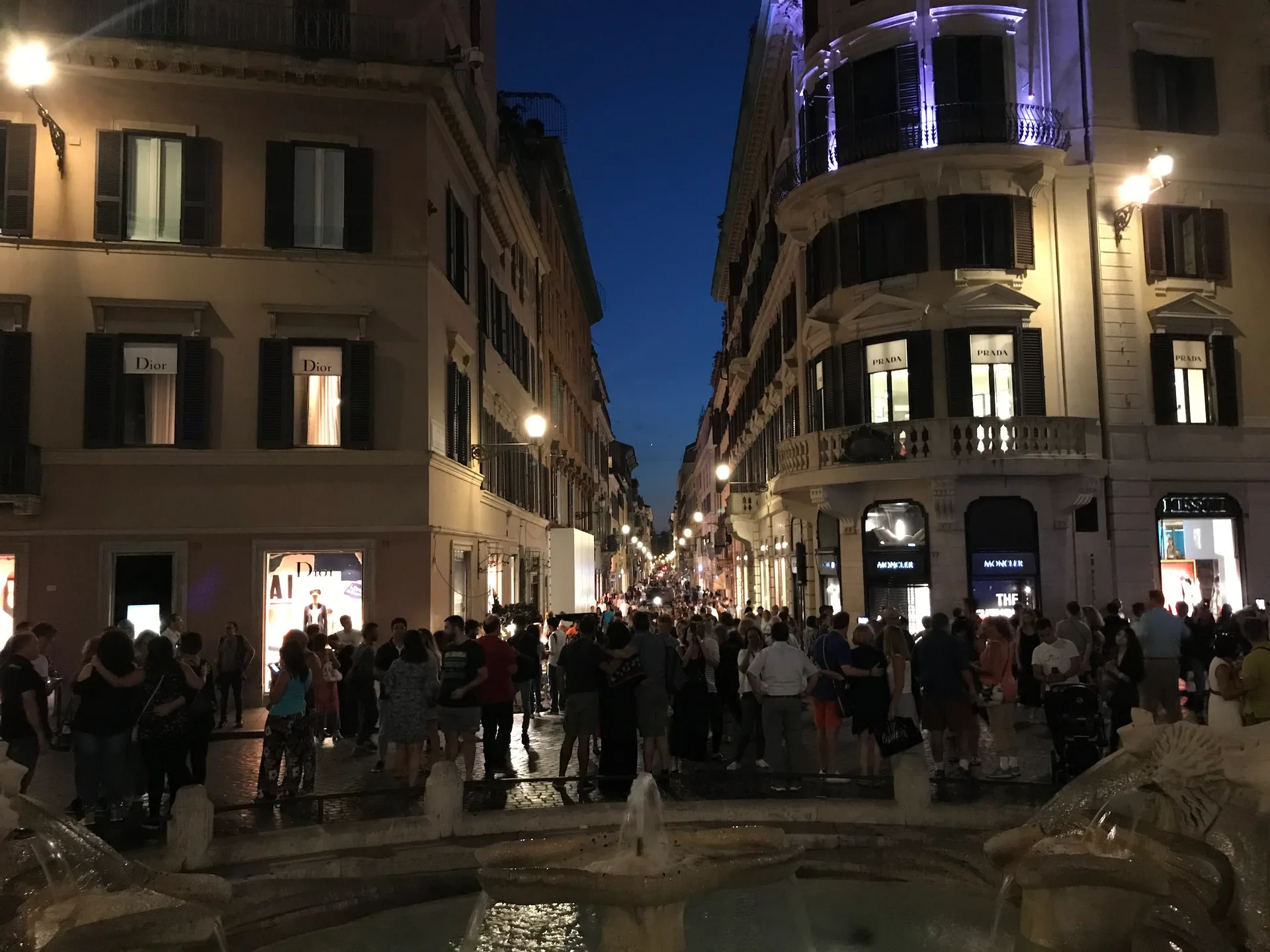
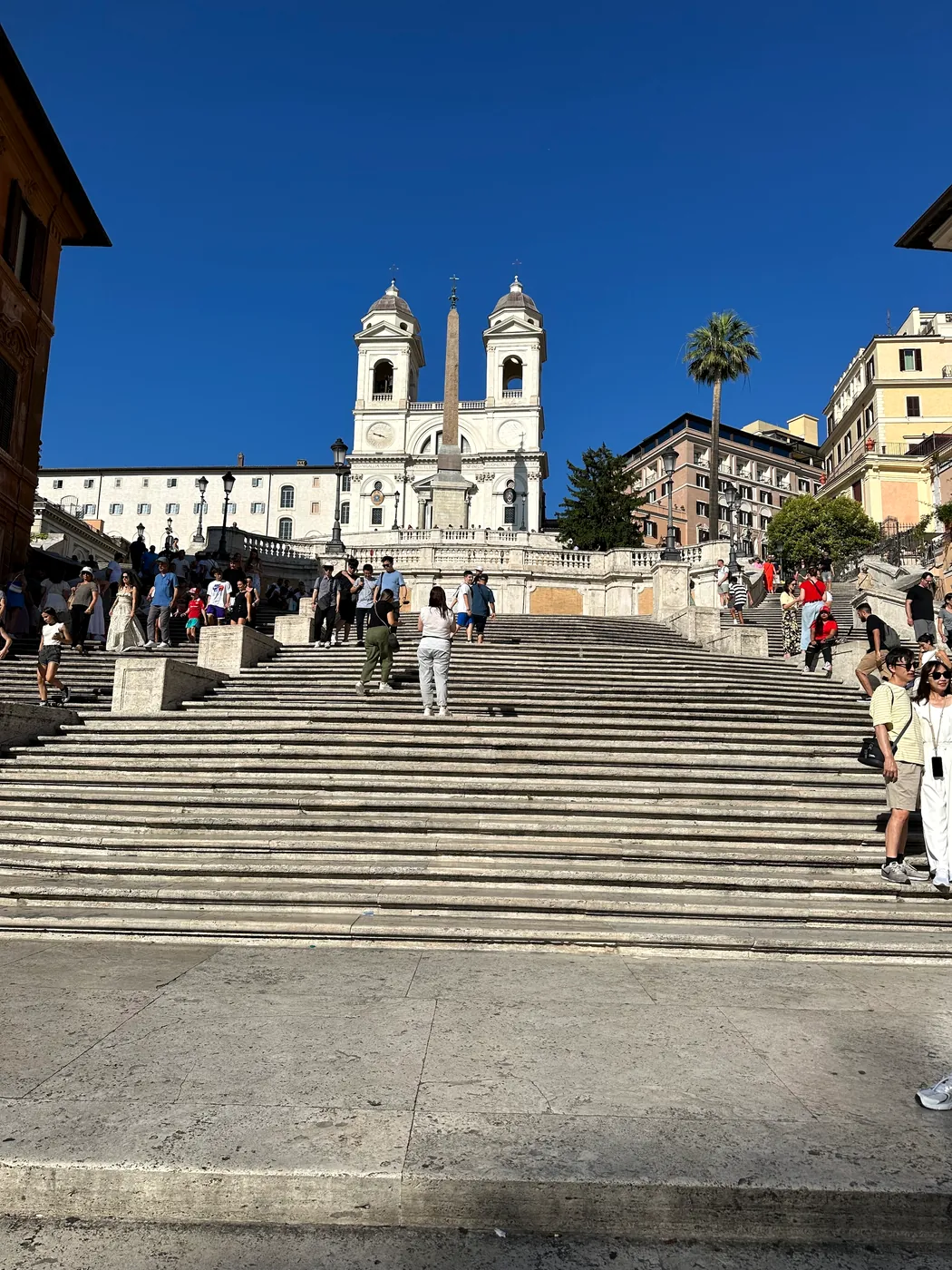
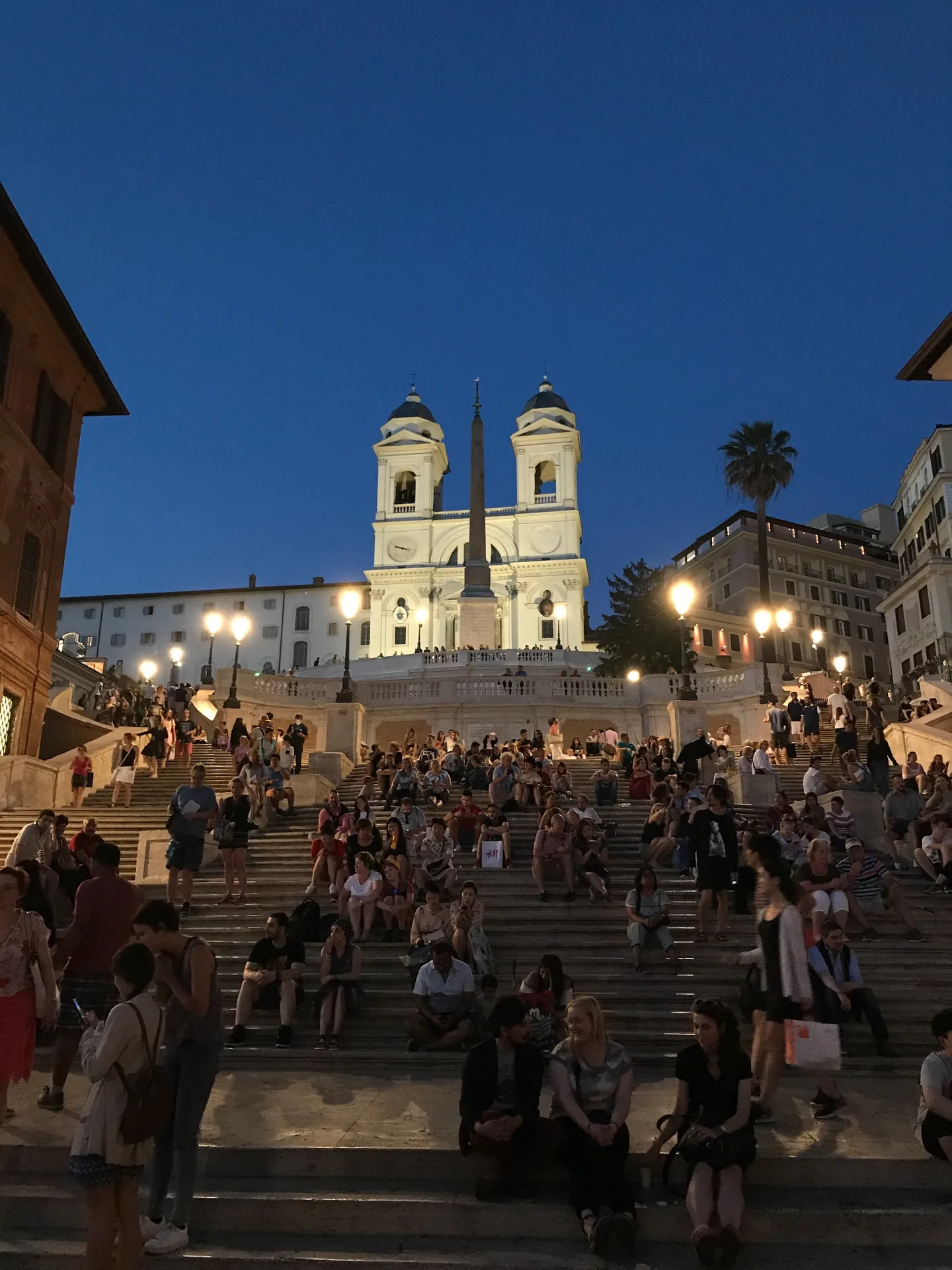
The Climb
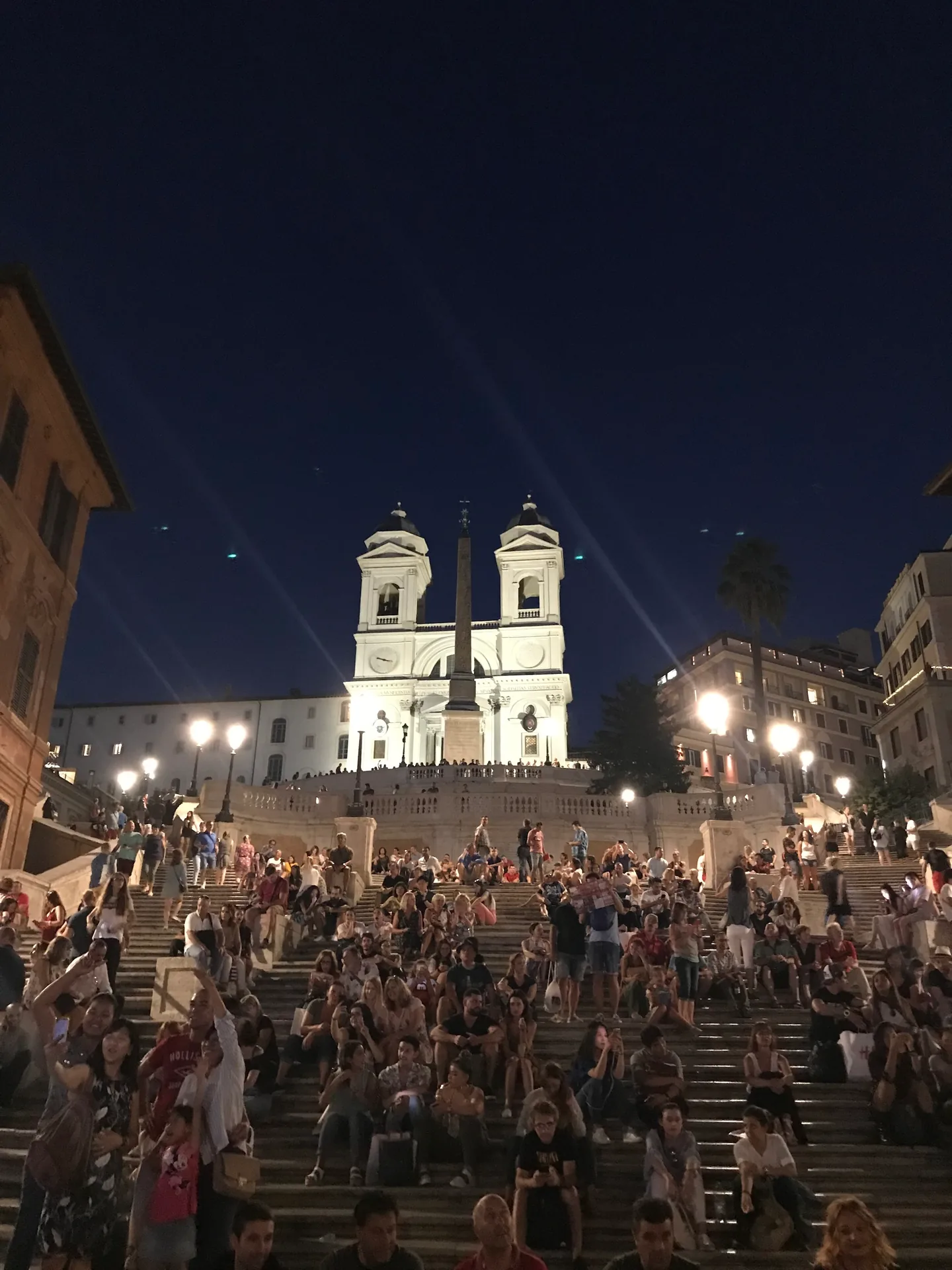
Twelve flights curving up to the church, in every light from winter dusk to high summer.
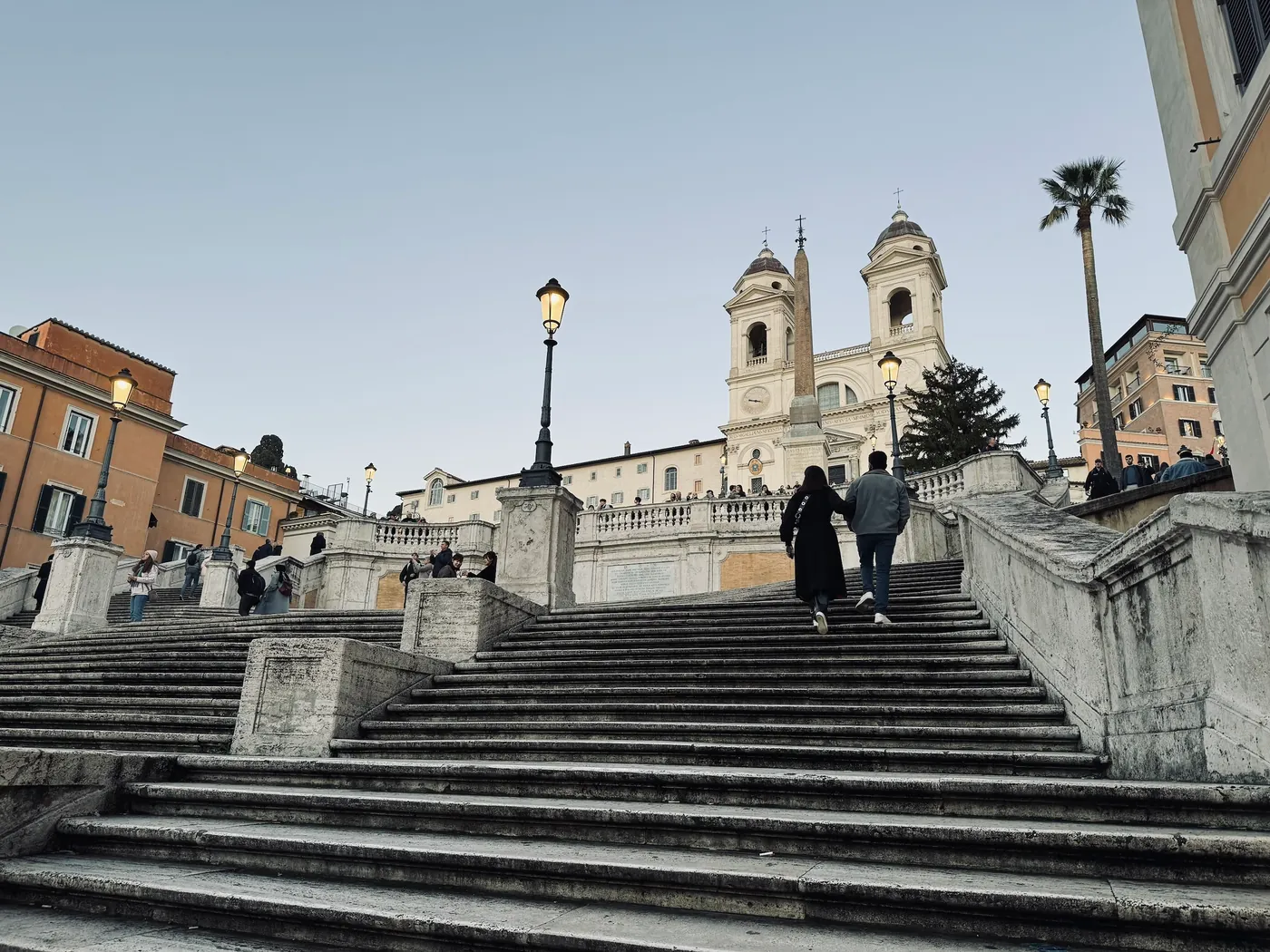
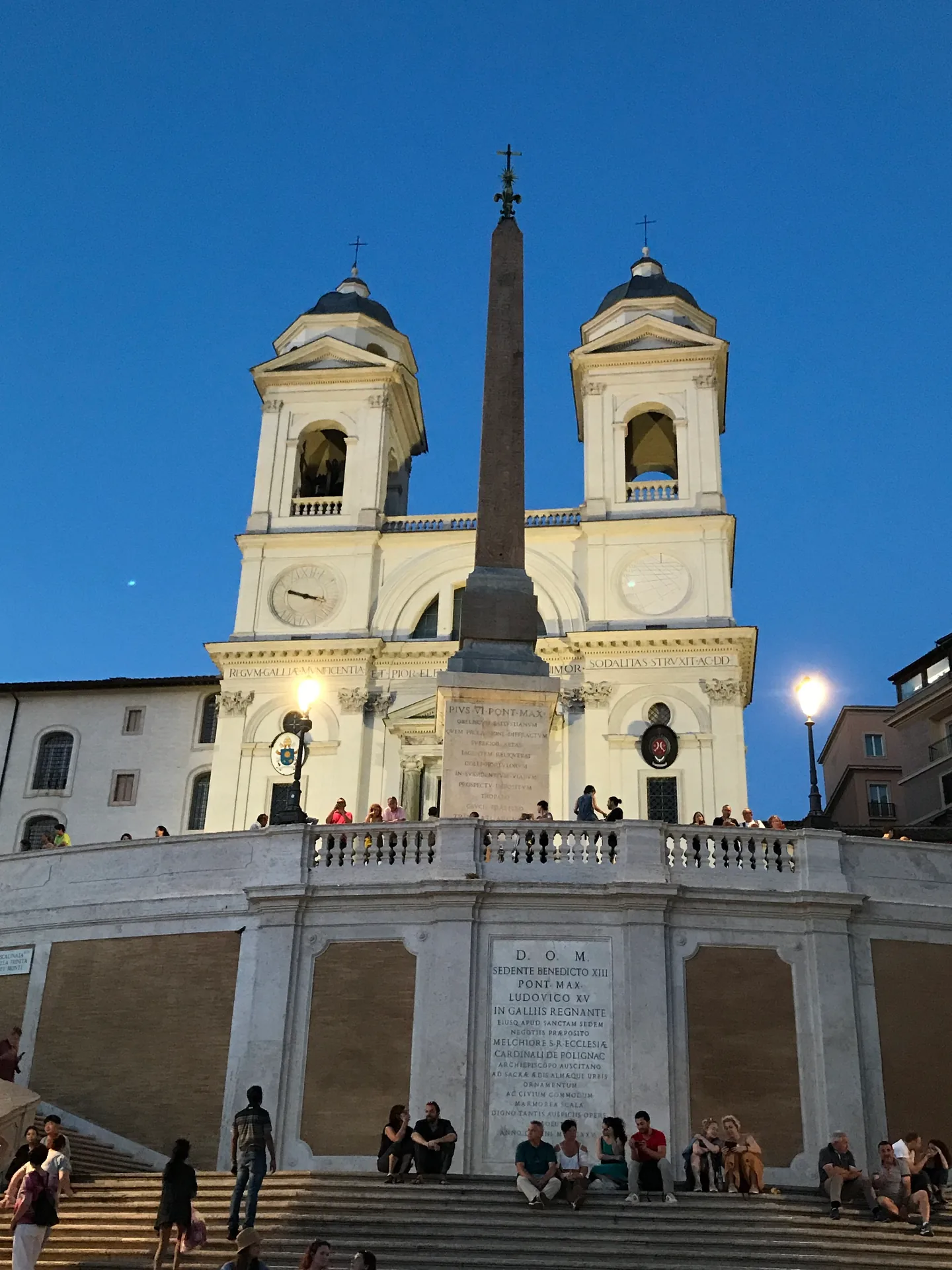
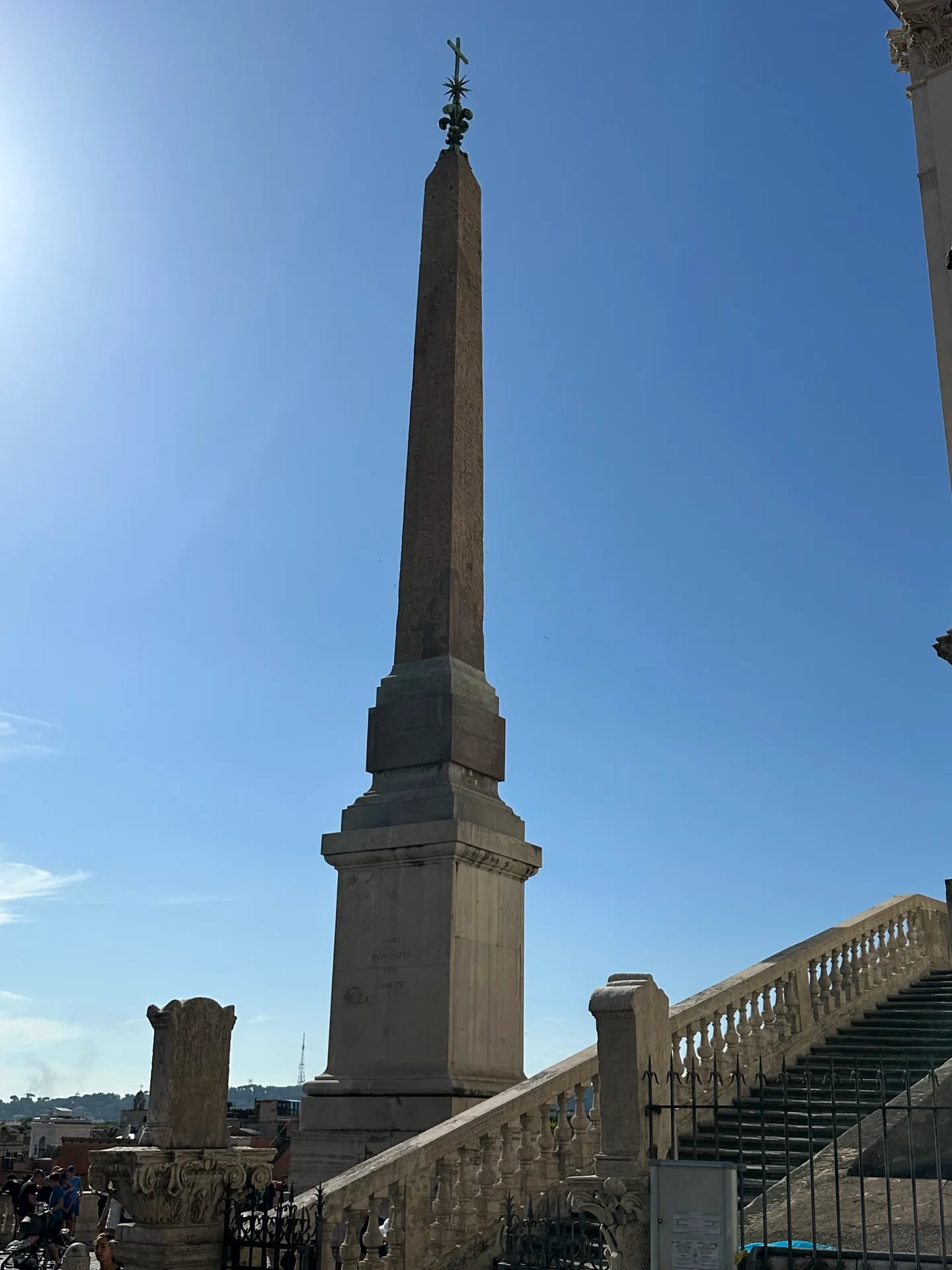
Trinità dei Monti
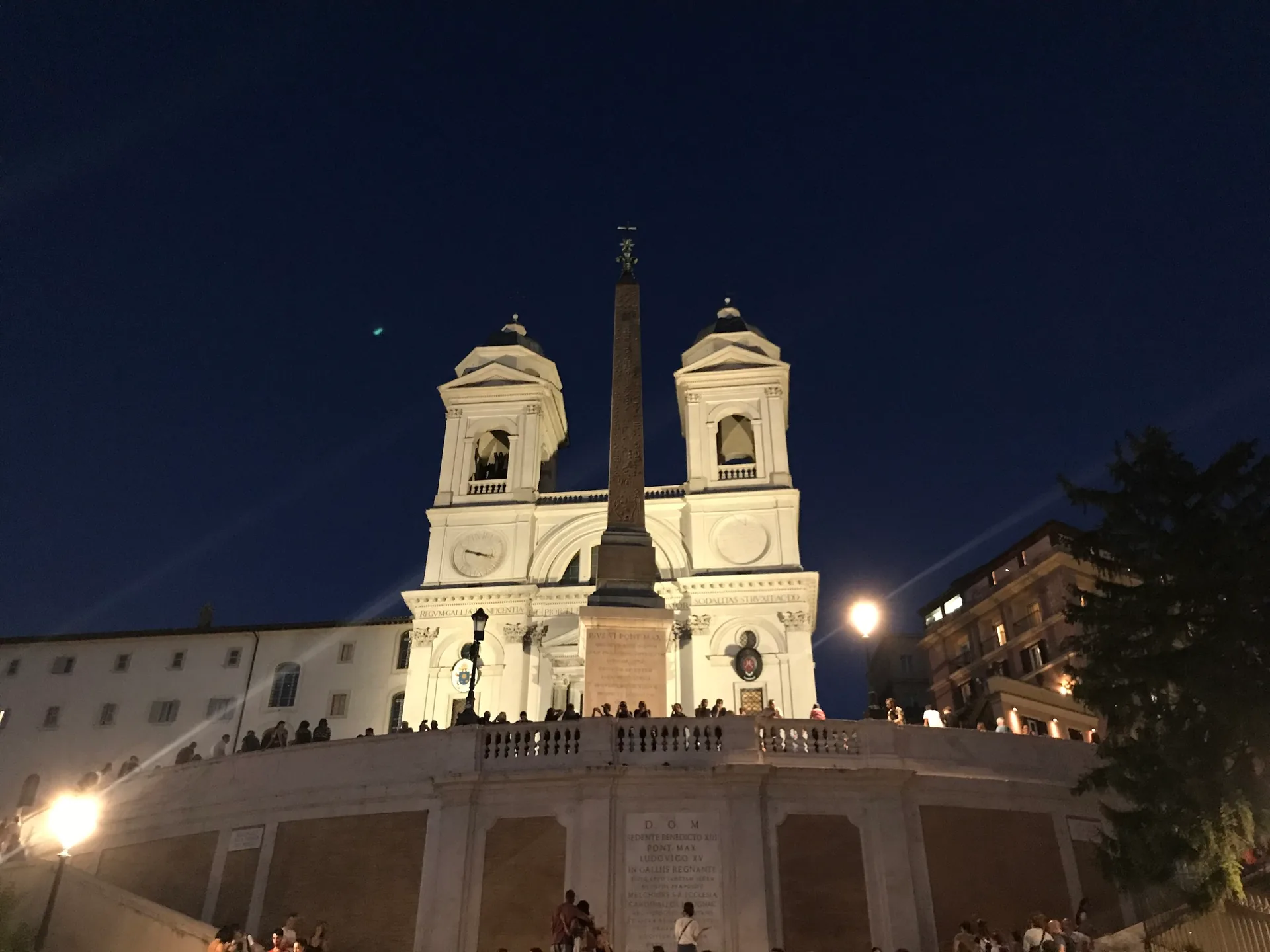
The French church and its Roman obelisk crowning the hill.
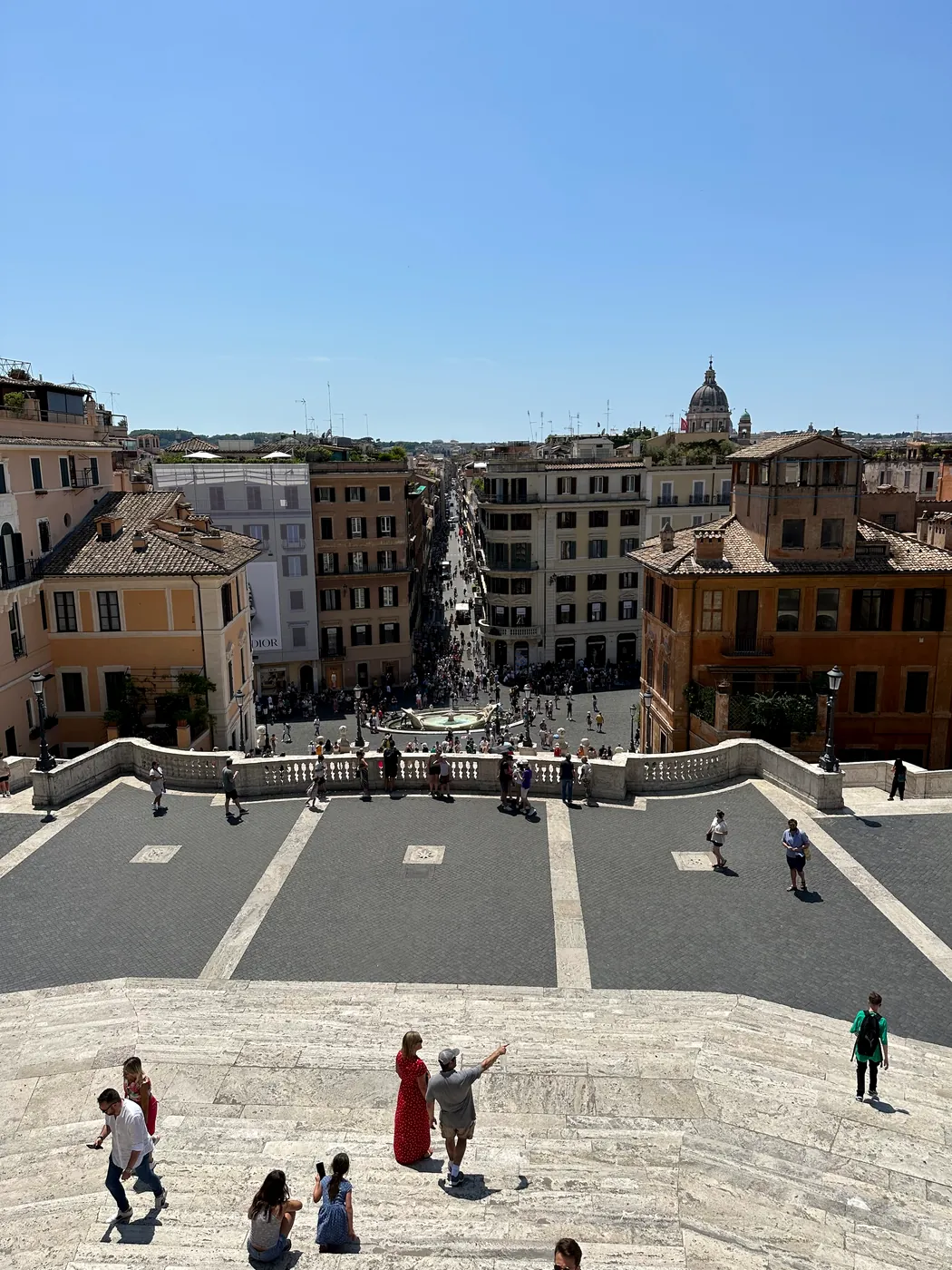
The View from the Top
What you climb the steps for: the piazza and the Tridente spread out below.
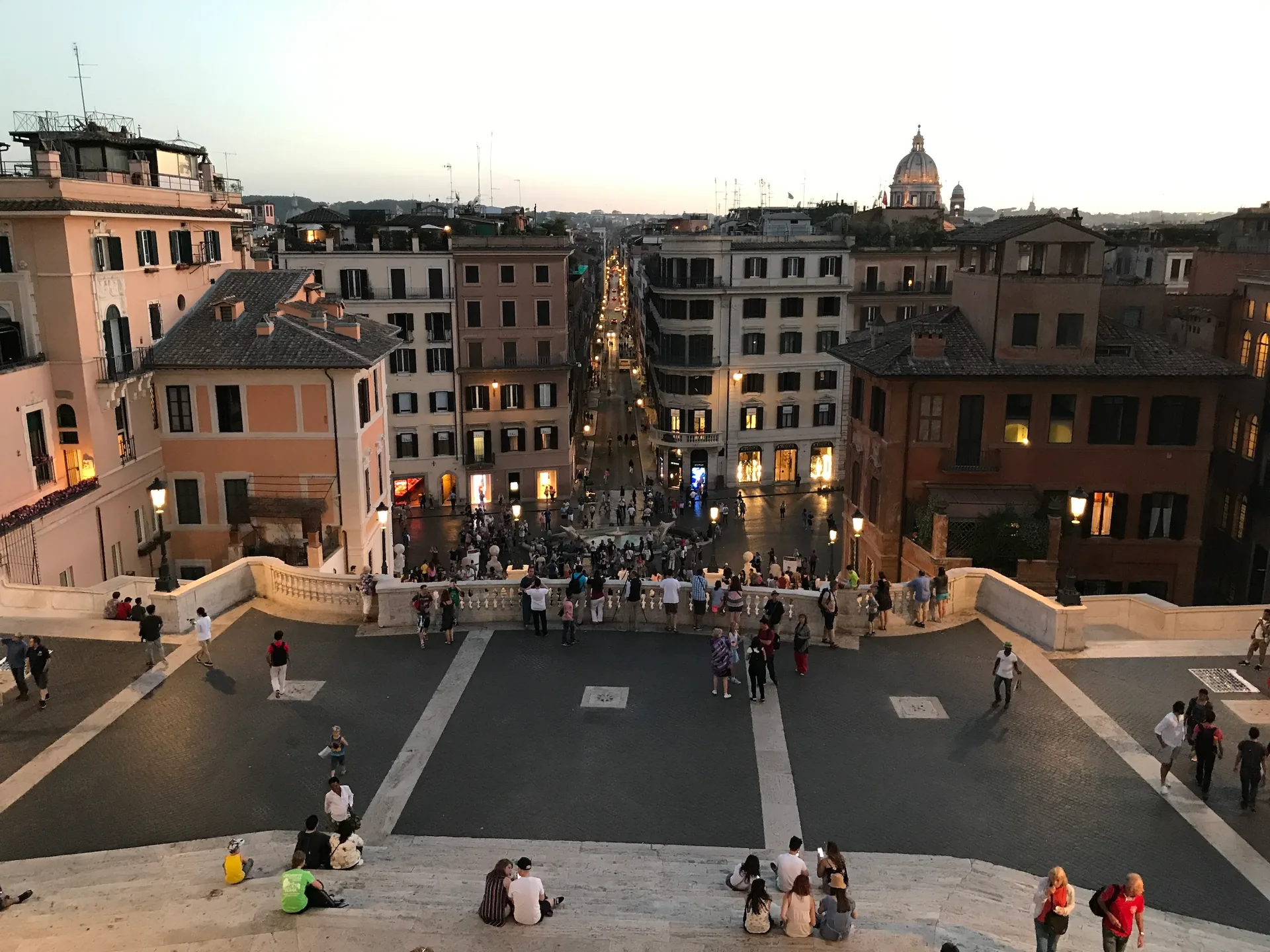
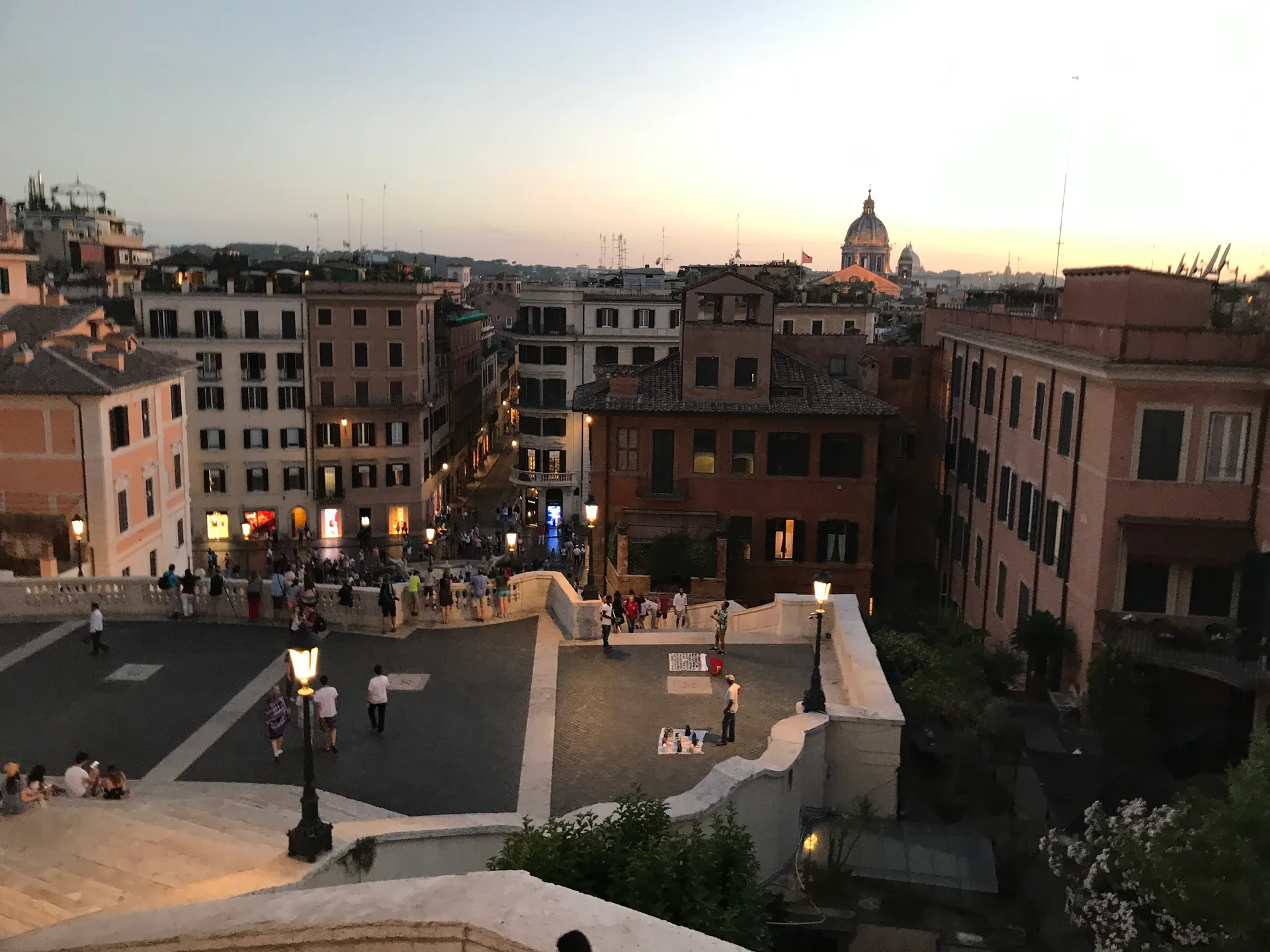
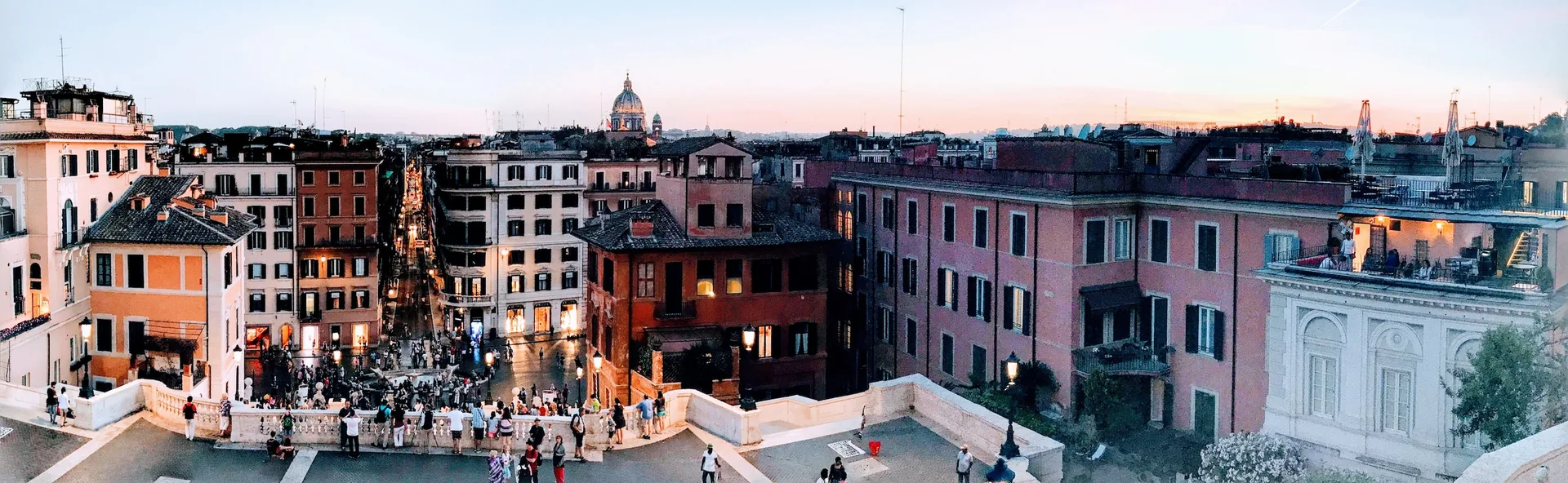
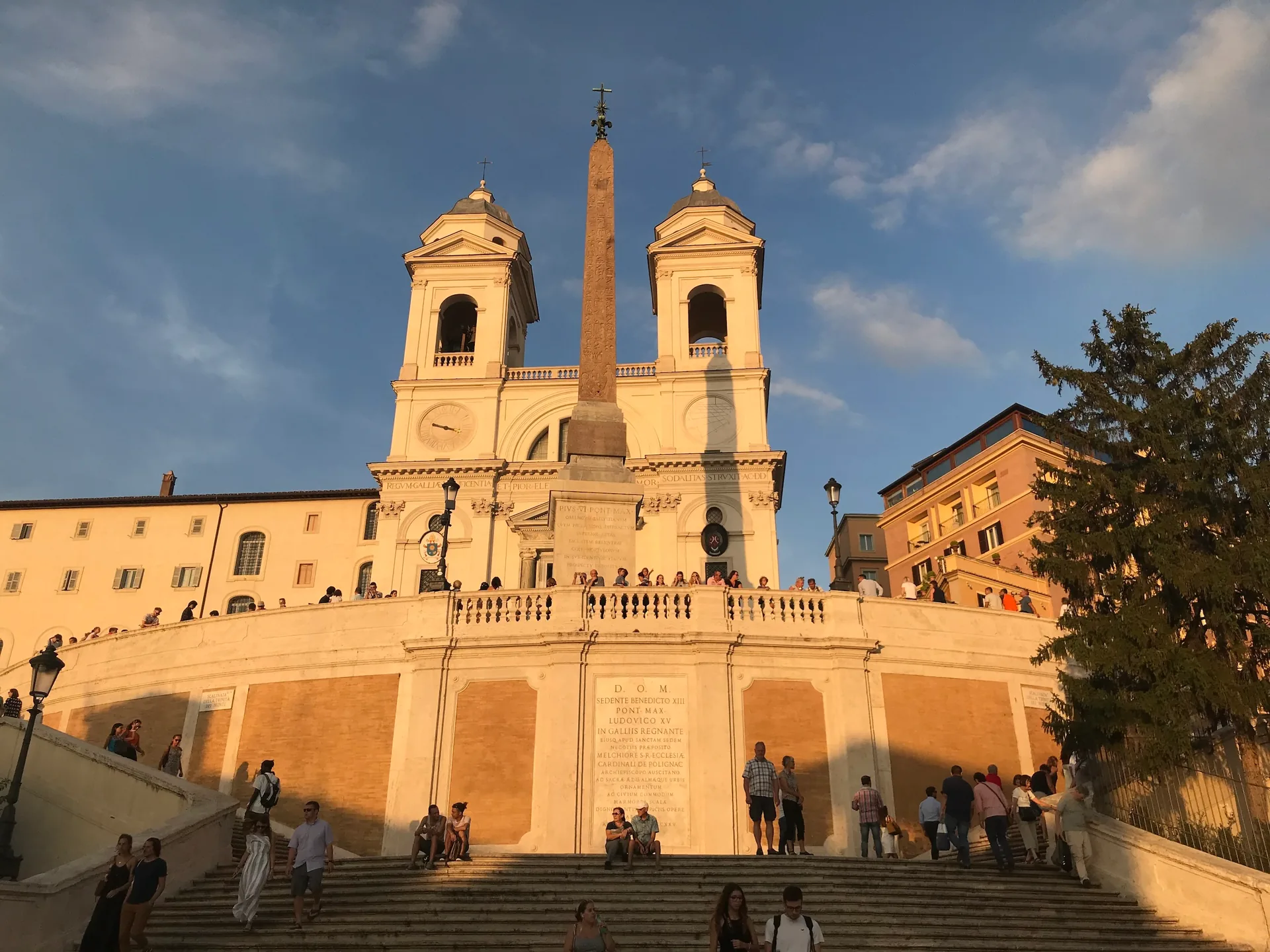
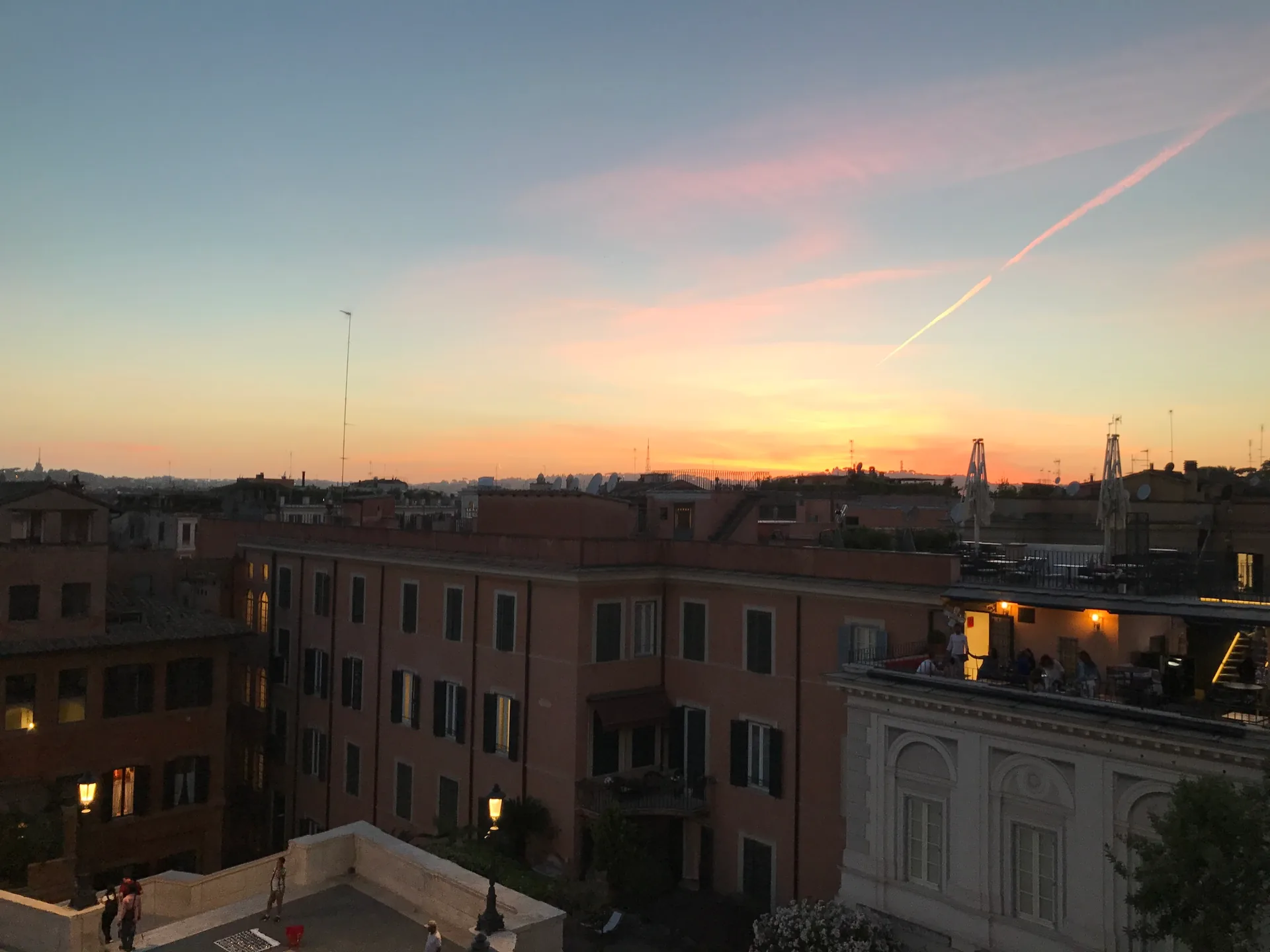
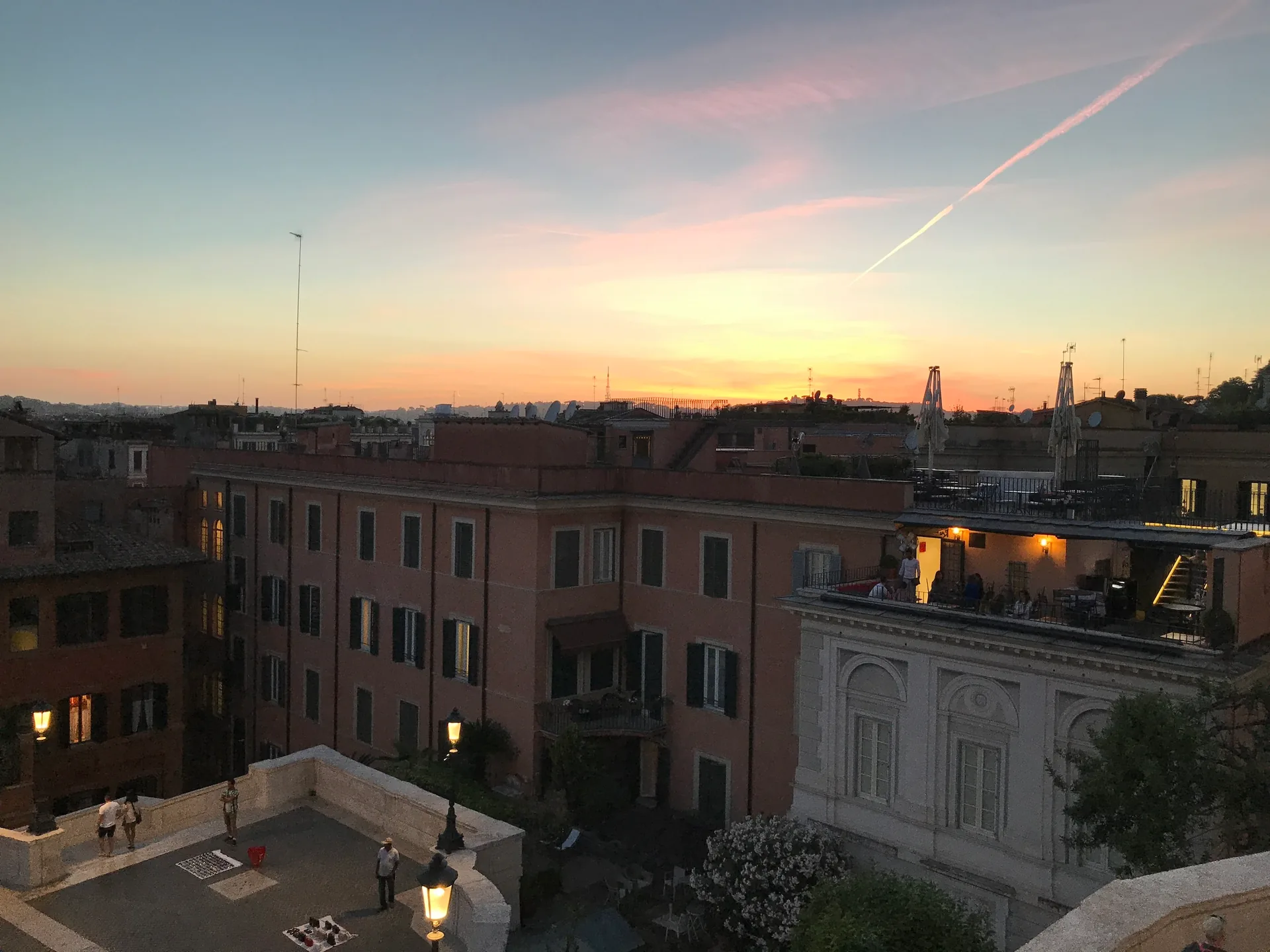
Light on the Steps
The square at its best, from sunset over the rooftops to the floodlit church at night.
Around the Steps
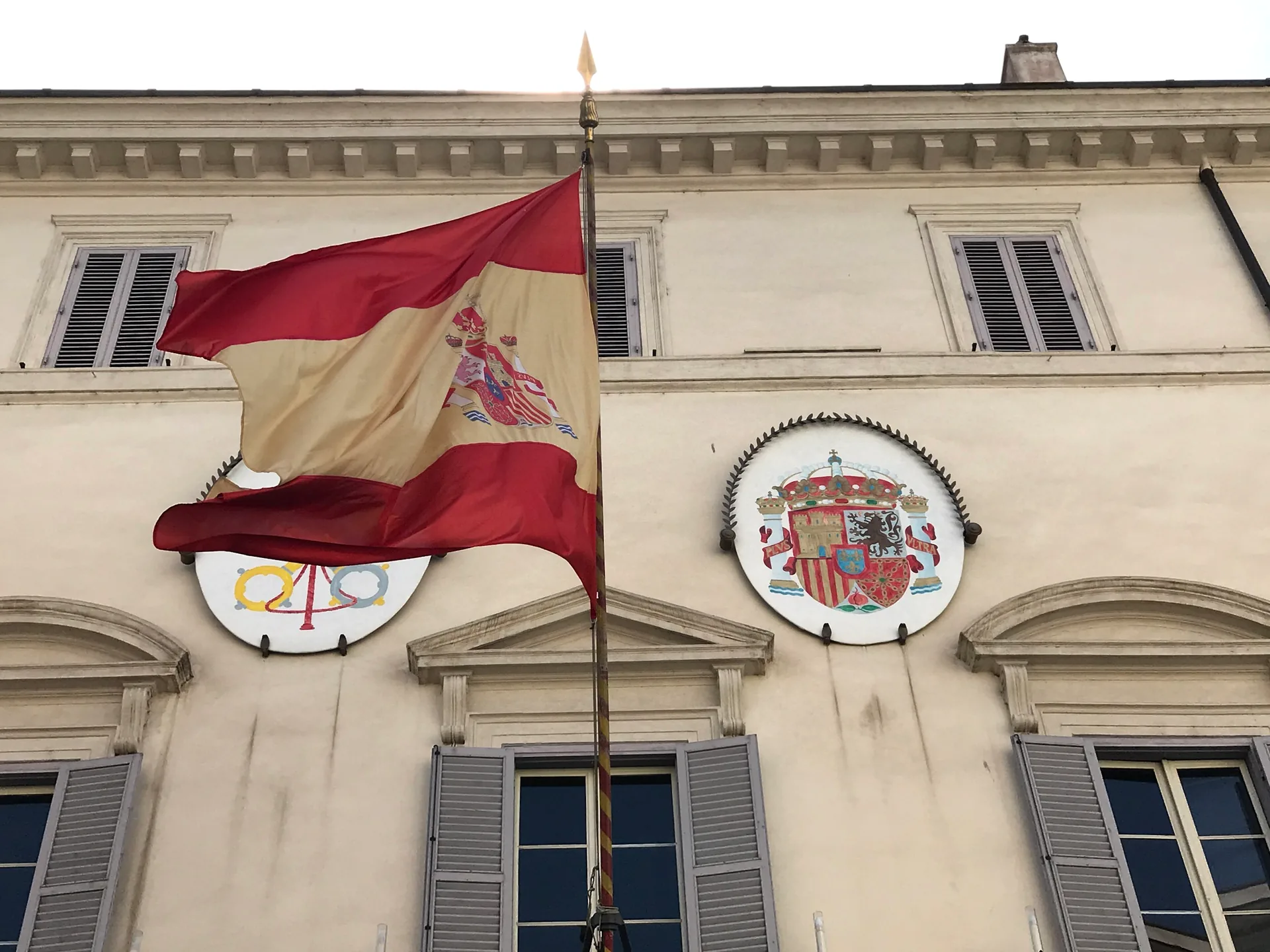
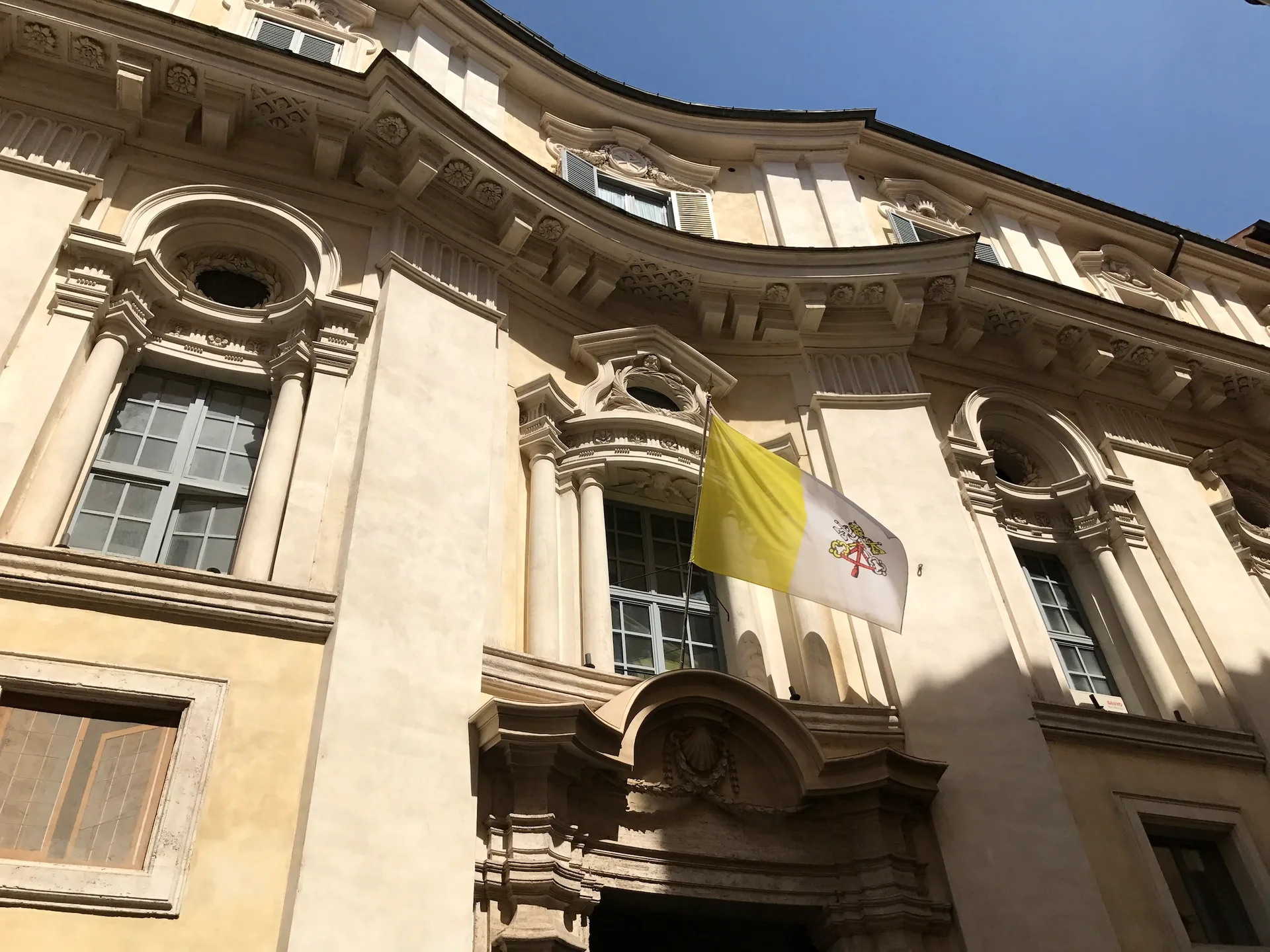
The square that gives the steps their name, and the palaces around it.
Live Prices & Availability
Stay Nearby
Some links may earn us a commission at no cost to you. We only recommend places we would stay.
Visiting the Spanish Steps
- Go at first light or last light. Midday bakes the travertine and packs the steps. Sunrise gives you the staircase almost to yourself, and the hour before sunset gives you the warm facade and the square's evening buzz.
- Do not sit down. Since 2019 sitting on the steps brings a fine, and officials do enforce it. Take your photos on your feet, and rest on the benches in the piazza or up on the Pincio terrace instead.
- Drink from the Barcaccia. The boat fountain at the base runs with cold, clean water from the Acqua Vergine, the aqueduct that has fed this corner since antiquity. Bring a bottle.
- Climb to the top for the view, then keep going. The terrace by Trinità dei Monti is free and one of the best in the centre, and the Pincio gardens just beyond open onto an even wider sweep over the rooftops.
Frequently Asked Questions
Continue Your Italian Journey
Explore more destinations in our Italian travel network
More journeys: 🌺 rHawaii ✈️ rVacation 📷 rPhotography 🍽️ rDining
Some links on this site are affiliate links. If you book through them, we may earn a commission at no additional cost to you. We only recommend tours and stays we would book ourselves.